Garden Maintenance in Feltham
Garden maintenance in Feltham needs a practical mix of regular care, tidy presentation and seasonal attention. Our service focuses on the everyday work that keeps outdoor spaces manageable, from lawn care and hedge trimming to border upkeep and general garden tidying. The aim is straightforward: maintain a clean, healthy and well-kept garden that works for the way you use it, rather than letting small jobs build into larger ones.
We handle ongoing maintenance as a flexible service rather than a one-size-fits-all package. Some gardens need frequent attention through the growing season, while others benefit from occasional work to bring them back into shape. We can support routine grass cutting, shaping, clearing, pruning and light improvement work, with the scope set around the condition of the garden and the tasks that matter most. Clear priorities help the work stay efficient and focused.
If you need a dependable way to keep your outdoor space under control, start by noting the main jobs you want completed. You can then request a quotation with the details that matter most, so the right work can be planned from the outset.
Routine lawn care and tidy garden upkeep
Grass cutting is often the foundation of a good maintenance visit. A lawn looks better when it is cut consistently, edged neatly and not left to become patchy or uneven. The work can be adjusted to the season and to the condition of the turf, with attention to access, borders and finish. Where needed, we can also include light clearing around the lawn so the overall result looks deliberate rather than hurried.
Ongoing garden upkeep is broader than mowing alone. It can include removing small amounts of debris, keeping paths and paved areas clearer, and dealing with the everyday signs that a garden has been left for a little too long. In practice, that might mean cutting back growth around a seating area, neatening edges near fences, or removing fallen material that spoils the look of the space. If the work needs to be repeated through the year, a consistent approach usually gives the most reliable result.
What regular maintenance can cover
Typical maintenance tasks may include:
- grass cutting and edging
- border tidying and weed control
- light pruning of manageable growth
- leaf and debris clearance
- general neatening of visible areas
Hedge trimming, pruning and shape control

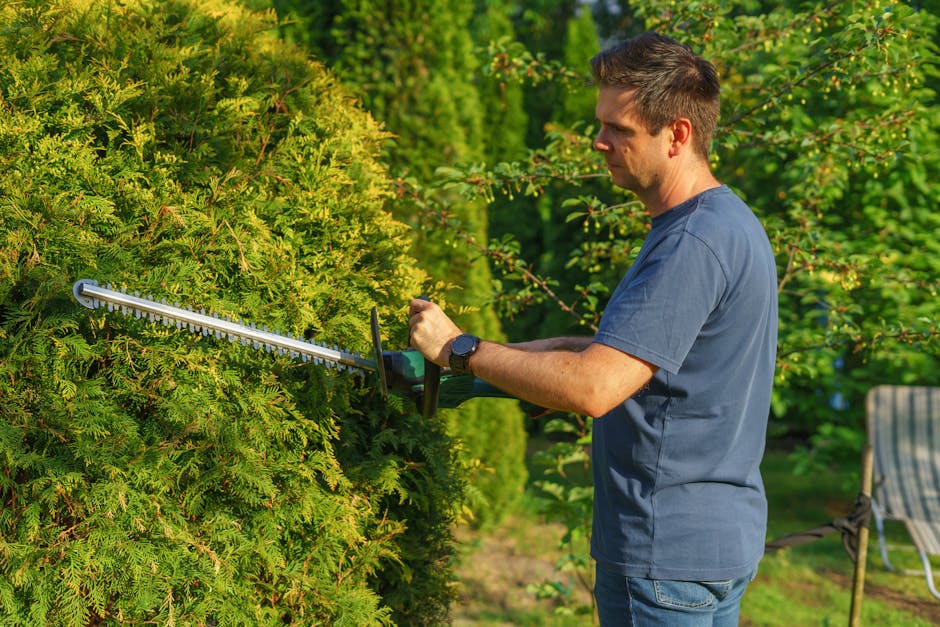
Hedges and shrubs need more than a quick tidy if they are to stay healthy and look balanced. Trimming is as much about control as appearance, especially where a boundary hedge is starting to spread beyond its space or an ornamental shrub is losing shape. We can manage straightforward trimming work to improve structure, reduce overhang and keep growth within sensible limits. The result is a garden that feels ordered and easier to look after.
Pruning requires a careful approach because different plants respond in different ways. Some benefit from light shaping, while others need more selective cutting to remove dead, weak or crossing stems. Good maintenance respects those differences. Rather than cutting everything back indiscriminately, the work should be matched to the plant type, the time of year and the desired outcome. That is especially important where shrubs contribute to privacy, screening or the general layout of the garden.
Useful decisions before arranging hedge or pruning work often come down to three things: the height and reach of the growth, the level of finish you want, and whether the job is purely cosmetic or also intended to restore control. Those details make it easier to define the scope clearly and avoid unnecessary work.
Garden clearance and seasonal tidying
Not every outdoor space starts from a neat baseline. Some need a round of clearing before regular maintenance can be effective. Garden clearance may involve removing accumulated cuttings, broken plant material, leaf build-up, unwanted growth or mixed garden debris that has collected over time. Once the space is clearer, it becomes easier to see what needs trimming, what can be kept, and what should be removed entirely.
Seasonal changes often create a different kind of maintenance need. In spring and summer the emphasis may be on controlling growth and keeping lawns in order, while autumn and winter can bring leaf fall, wetter surfaces and heavier debris. A sensible maintenance plan takes account of those changes rather than treating every visit as identical. The aim is a garden that remains usable and presentable throughout the year, with work adapted to what is actually happening in the space.
When a garden has become cluttered, it can help to split the task into stages. That may start with clearance, move on to cutting and shaping, and finish with tidying the details that make the space look complete. Small, deliberate steps are often the best way to return a garden to a manageable state.
Lawn mowing with a neat finish

Lawn mowing is one of the most visible parts of garden maintenance, and the quality of the finish makes a real difference to how the whole space feels. A clean cut, consistent height and tidy edging can transform a lawn from uneven and neglected to sharp and orderly. Where appropriate, the work can be combined with strimming around awkward edges or trimming close to borders so the result looks complete rather than half-finished.
Different lawns call for different handling. Shaded lawns, patchy lawns and lawns with mixed growth patterns all need a more measured approach than a simple pass with a mower. We can work with the condition of the grass as found, rather than assuming every garden is ready for the same treatment. If the lawn has not been maintained for a while, a first visit may need to focus on bringing it back to a sensible state before a regular rhythm is established.
Good mowing also supports the rest of the garden. Once the grass is under control, borders look clearer, hard landscaping stands out better and the whole space becomes easier to manage. That is why many customers prefer to treat mowing as part of a wider maintenance plan instead of a stand-alone task.
Border care, weeding and plant bed attention
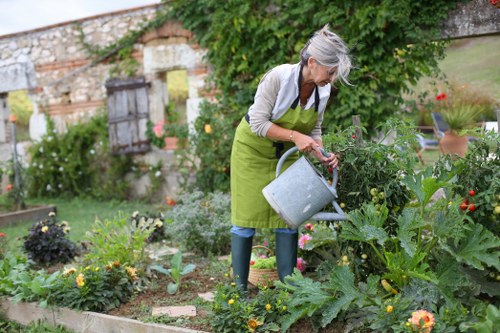
Flower beds and planted borders need regular attention if they are to stay attractive. Weed growth can quickly spoil the look of a garden and compete with the plants you actually want to keep. Maintenance work may therefore include pulling or cutting back weeds, refreshing the visible edges of beds and tidying around established planting so it remains accessible and tidy. A clean border frame often makes the whole garden look better maintained.
Plant bed care is not only about removal. It may also involve checking for overgrown stems, thinning congested areas, clearing fallen material and keeping pathways beside the beds usable. In gardens with a mixture of shrubs, perennials and seasonal planting, the right level of care helps each part remain distinct. That is especially important where a garden is meant to look structured rather than wild. Consistency matters more than dramatic intervention.
How upkeep decisions are usually made
When deciding what to include in a maintenance visit, it helps to think about whether the main issue is weed pressure, overgrowth, untidy edges or plant congestion. Each one points to a different level of work. A concise list of the jobs you want done, together with any areas that should be avoided, can make the work easier to plan and more efficient on the day.
Landscape gardening and longer-term improvements

Some gardens need more than upkeep alone. Where a space has awkward planting, tired layout or uneven features, landscape gardening can help reshape it into something more practical and attractive. This work might include refreshing planting areas, altering the balance between lawn and beds, or improving the arrangement of borders and paths. The emphasis is on useful changes that improve how the garden functions, not on unnecessary complexity.
Landscape gardening also gives you a chance to think about future maintenance. A well-planned space is usually easier to keep tidy, because beds are accessible, growth has room to develop, and the layout supports sensible upkeep. That can make later maintenance visits more straightforward and help reduce the amount of corrective work needed. In that sense, design and maintenance are closely connected even when they are discussed separately.
For customers comparing options, it can be helpful to separate the immediate task from the broader aim. If the priority is simply a presentable garden, maintenance may be enough. If the space has structural issues or a layout that makes upkeep difficult, a landscaping approach may be more suitable. Either way, clarity at the start helps the work move in the right direction.
About Feltham
Feltham is a large suburban settlement in the London Borough of Hounslow, in west London, and its character reflects a long transition from village and market-town roots to a more built-up residential district. The place is linked historically to the former parish of Feltham and to the wider growth of Middlesex before the modern borough structure was introduced. Today it sits within an area shaped by rail connections, local shopping streets and a mix of housing types that include older terraces, post-war estates and newer developments. The railway has played an important part in that evolution, with Feltham station helping to connect the area to central London and the surrounding suburbs. Nearby places such as Hanworth and Bedfont form part of the wider local pattern, but Feltham itself retains a clear identity. Public spaces add to that character, including Feltham Green and several local parks and playing fields that provide open ground within a dense urban setting. The presence of the River Crane and associated green corridors in the broader district adds a quieter natural contrast to the built environment. Architectural variety is visible in the streetscape, where commercial premises, civic buildings and residential roads sit side by side. The area also has a local cultural life shaped by schools, community facilities and everyday high-street activity rather than by large landmark attractions alone, which gives it a practical and lived-in feel.
Keeping outdoor spaces workable through the seasons
Effective garden maintenance is often about preventing small jobs from becoming larger ones. A trimmed hedge is easier to control than one that has been left to spread, and a lawn that is cut regularly usually needs less corrective work than one left to grow too long. The same applies to borders, paths and planted areas. When attention is given in sensible stages, the garden tends to remain more manageable and the work can be planned with less disruption.
We can also adapt maintenance to the practical shape of the space. Narrow side returns, enclosed rear gardens, sloped patches and mixed surfaces each call for slightly different handling. Access, waste removal and the order of operations all affect how smoothly the work progresses. Where the space includes both open lawn and more detailed planting, it is often best to begin with the highest-impact tasks and then move through the smaller finishing touches. Regular upkeep is usually the simplest way to preserve that balance.
If you already know the main items that need doing, the next step is simple: make a note of the jobs that matter most and ask for a quotation. If you are still deciding between routine maintenance and a larger tidy-up, we can help shape the scope around the condition of the garden. Enquire today and take the first step towards a more manageable outdoor space.
Pricing factors and quotations

Garden maintenance quotations are usually shaped by the size of the space, the amount of work required and the level of finish expected. A small, regularly maintained lawn will naturally involve a different scope from an overgrown garden that needs clearance as well as cutting and trimming. Access can also influence the work, especially where there are narrow entrances, awkward corners or several separate areas that all need attention. Clear information at the outset helps the quotation match the actual job more closely.
It can be useful to describe the garden in practical terms rather than broad ones. For example, mention whether the main requirement is mowing, hedge trimming, border work, clearance or a combination of these. If any areas are more important than others, note that too. That allows the work to be planned around priority zones first and secondary areas afterwards. A good quotation should reflect the real tasks involved, not simply a generic assumption about the garden.
To move forward, send a brief outline of the maintenance work you want carried out and ask for a quotation. If the garden has not been attended to recently, a short description of its current condition is especially helpful. That is usually enough to begin the conversation and arrange the next step.
Maintenance support that keeps the garden under control
Many customers want garden maintenance that feels steady, practical and easy to repeat. That means work which keeps the garden looking cared for without creating unnecessary complexity. Whether the immediate need is grass cutting, hedge control, border tidying or general clearing, the service is designed to bring order to the outdoor space and keep it there. The focus stays on useful tasks that make a visible difference.
Because gardens change through the year, maintenance works best when it remains adaptable. Growth patterns, weather and the condition of the space all affect what should be done first. Sometimes that means light seasonal work; at other times it means a fuller tidy-up to reset the garden before regular care continues. Either way, the key is to match the work to the garden itself. That practical approach keeps the service grounded and helps the result last longer.
For a clear next step, choose the tasks you want completed and send over the details needed for a quotation. If you are ready to get started, make the enquiry now and we will help turn the list into a workable maintenance plan.